

Systems Change and Solidarity
Frontline social movements are powerful. They have a vision for what this world could look like beyond the dominant capitalist system and proven solutions to the polycrisis we are in. Frontline movement leaders recognize that wealth was built off their backs while they continue to navigate the consequences of injustice. Some corners of philanthropy are being reshaped by leaders closest to the issues. These leaders are rewriting the rules of who controls capital and how wealth should be distributed.
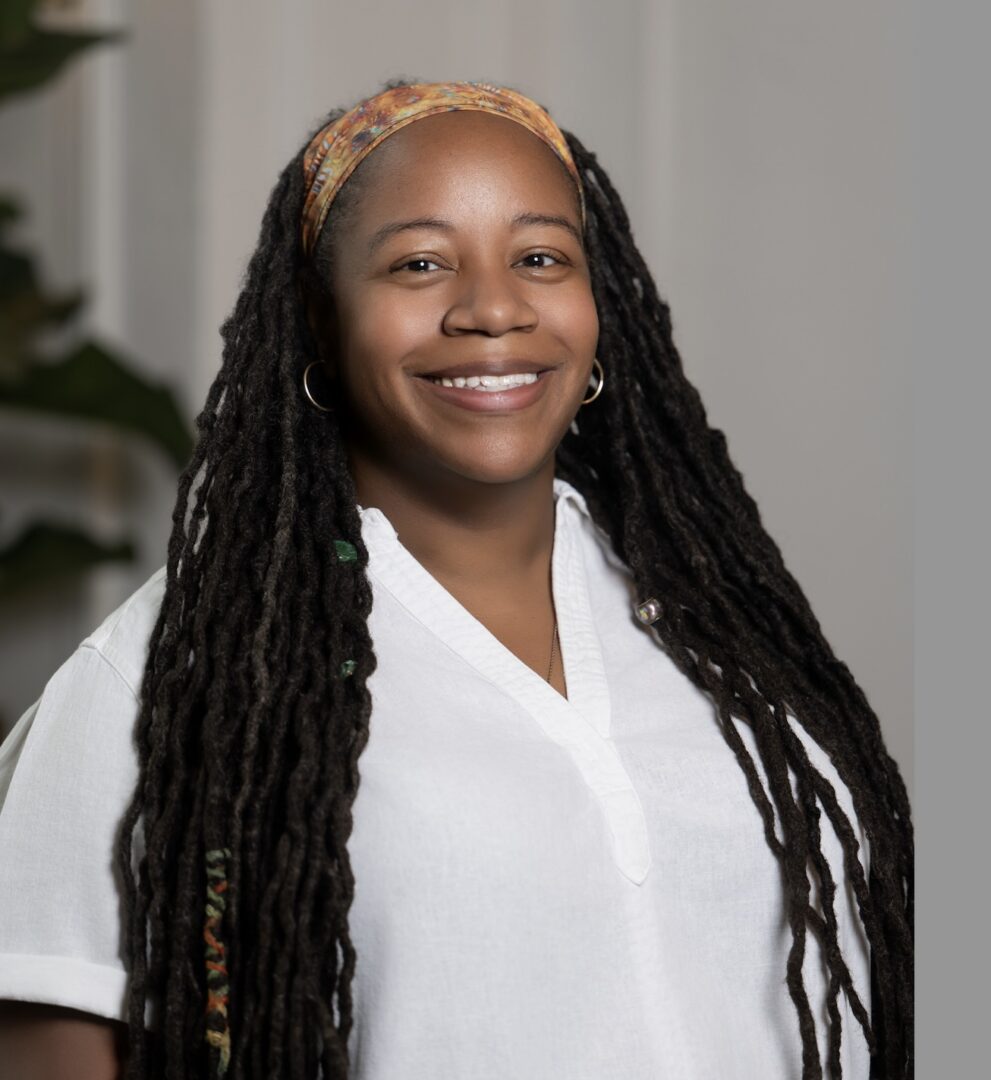
In part three of NCRP’s Movement Accountable Funder Intermediary blog series, I had the pleasure of interviewing Nikki Brown-Booker, Borealis Philanthropy’s Program Director for the Disability Inclusion Fund (DIF), and Sadé Dozan, Borealis Philanthropy’s Vice President of Advancement. Though the first two blogs focused exclusively on climate justice centered intermediaries, this piece will shine a light on the disability justice movement with an understanding that climate justice is deeply intersectional.
Disability Justice is Climate Justice
Borealis Philanthropy was founded in 2015, born out of a need for more intersectional funding. Since its inception, it has moved over $200 million to grassroots frontline movements working beyond the philanthropic check boxes imposed on them. Borealis distributes this funding via 5 pillars: race, gender, and disability justice; media, journalism, and narrative change; community safety and justice; movement infrastructure; and economic justice and inclusion. Pillars are not silos.
“The intersectional approach rooted in how communities actually live outside of silos is what’s going to get us to a more liberatory future,” Dozan said. ” I’m intersectional, and so are our movements, and that’s how we need to evolve.”
Ensuring that the world we are envisioning includes folks with disabilities is a key priority for Borealis Philanthropy. The climate crisis affects more than 1 billion disabled people globally, yet disabled folks are disproportionately left out of conversations around climate mitigation and adaption. For Brown-Booker, this is an issue close to home. Living in California means dealing with increasing wildfires. Thinking through a safe evacuation plan takes preplanning. However, accessibility measures for disabled people are often left out of disaster response plans.
As Borealis funds intersectionally, many of its grantees do not have a siloed climate focus. However, they fund climate related groups such as Imagine Waterworks in New Orleans which works at the intersections of art, science, and mutual aid in the face of water-related climate