

Category: Feeds
-
Pressure-Testing Our Research as GiveWell Grows
GiveWell works to continually improve our research so we can make better grant decisions and direct donations where we believe they can do the most good. GiveWell’s Cross-Cutting research subteam is an important part of that effort—it investigates the impact of the programs we fund, works to resolve our largest uncertainties, and aims to improve…
-
Financial Conditions, Political Connections, and Nonprofit Investment Income: Evidence From Chinese Foundations
Nonprofit and Voluntary Sector Quarterly, Ahead of Print. Investment income offers nonprofits a flexible and sustainable revenue source, yet it remains underexamined in the literature, particularly outside Western contexts. This study addresses that gap by analyzing panel data from Chinese foundations from 2018 … Goto full post >>
-
GiveWell’s 2025 Metrics and Impact
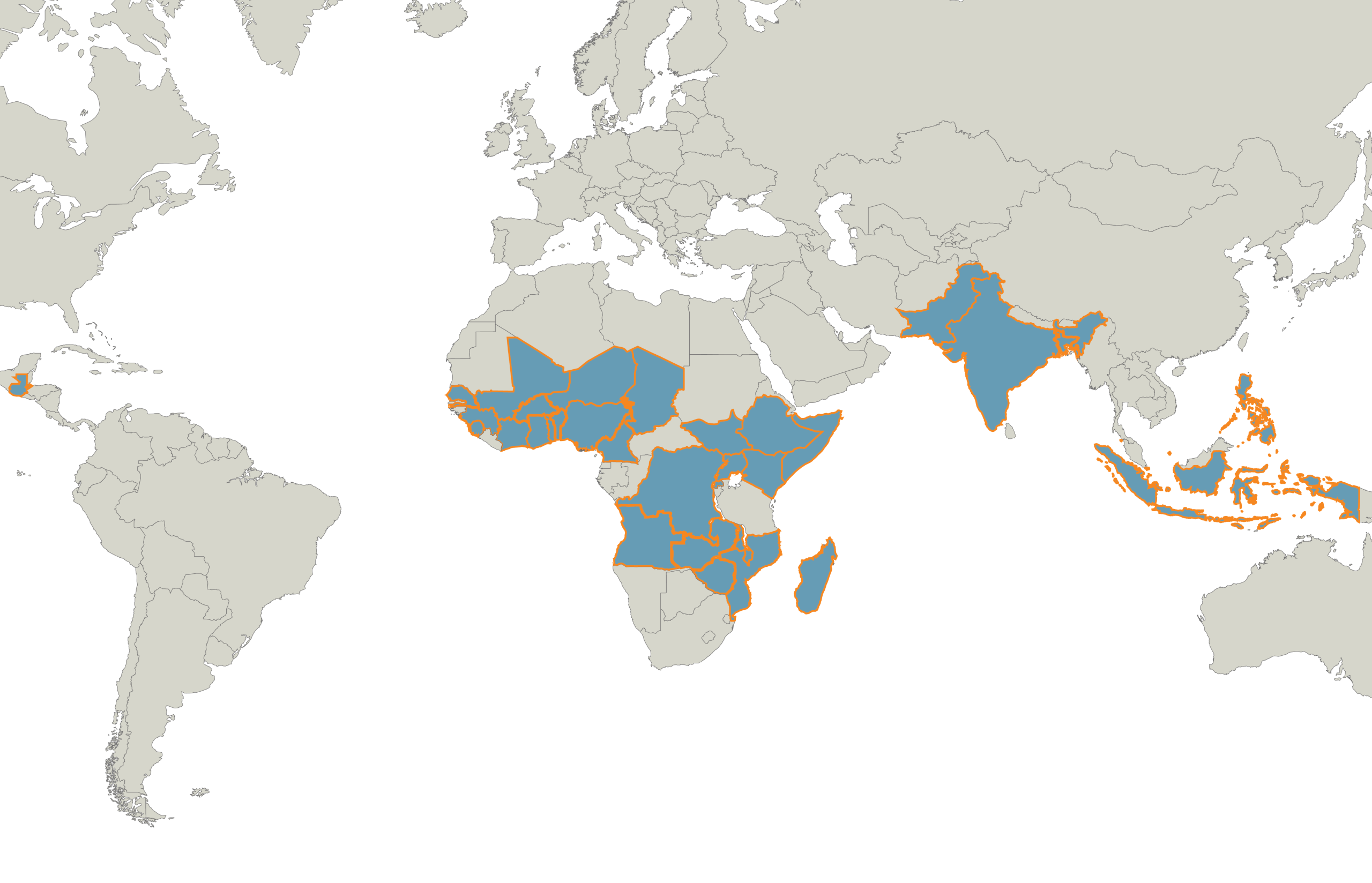
Thanks to the trust and generosity of our donors, GiveWell raised $616 million in metrics year 2025, an increase of 49% from 2024.1GiveWell’s metrics year runs from February 1 through January 31. jQuery(‘#footnote_plugin_tooltip_16840_1_1’).tooltip({ tip: ‘#footnote_plugin_tooltip_text_16840_1_1’, tipClass: ‘footnote_tooltip’, effect: ‘fade’, predelay: 0, fadeInSpeed: 200, delay: 400, fadeOutSpeed: 200, position: ‘top right’, relative: true, offset: [10, 10],…
-
Getting Bullied in the Nonprofit Sector: The Dark Side of Public Service Motivation and Political Behavior
Nonprofit and Voluntary Sector Quarterly, Ahead of Print. Bullying is harmful and prominent in nonprofit organizations (NPOs), yet it remains understudied. This article investigates how public service motivation (PSM), which is trait-like, prosocial and vital to NPOs, may counterintuitively expose NPO workers to … Goto full post >>
-
August 2026 Updates
Every month we send an email newsletter to our supporters sharing recent updates from our work. We publish selected portions of the newsletter on our blog to make this news more accessible to people who visit our website. For key updates from the latest installment, please see below! If you’d like to receive the complete…
-

The Research behind Our $276 Million Grant for Malaria Nets in DRC
Malaria kills around 600,000 people annually. Children under five years old in Africa account for about 70% of all malaria deaths worldwide, and around 11% of total malaria deaths are in the Democratic Republic of the Congo (DRC).[1] As part of our ongoing efforts to scale our research and funding to direct much more money…
-

Reconnecting with My Reproductive Justice Story at LTAS Conference 2026
Trigger Warning – gendered violence Reproductive Justice Ancestors In the spring of 2025, I took a trip back to my motherland of Andhra Pradesh. In a small village on the coast of eastern India, I visited, for the second time in my life, my paternal grandmother’s home. Up until that point, all I knew…
-
Challenges and Opportunities at the Intersection of Caregiving, Animal Welfare, and the Nonprofit Sector
Nonprofit and Voluntary Sector Quarterly, Ahead of Print. Despite growing recognition of animal companions as significant social relationships, consideration of the human–animal bond remains marginal within health and social service provision. Dominant social hierarchies result in differences between how care … Goto full post >>
-
Rajasthan’s cooperatives are helping migrant women artisans escape decades of exploitation
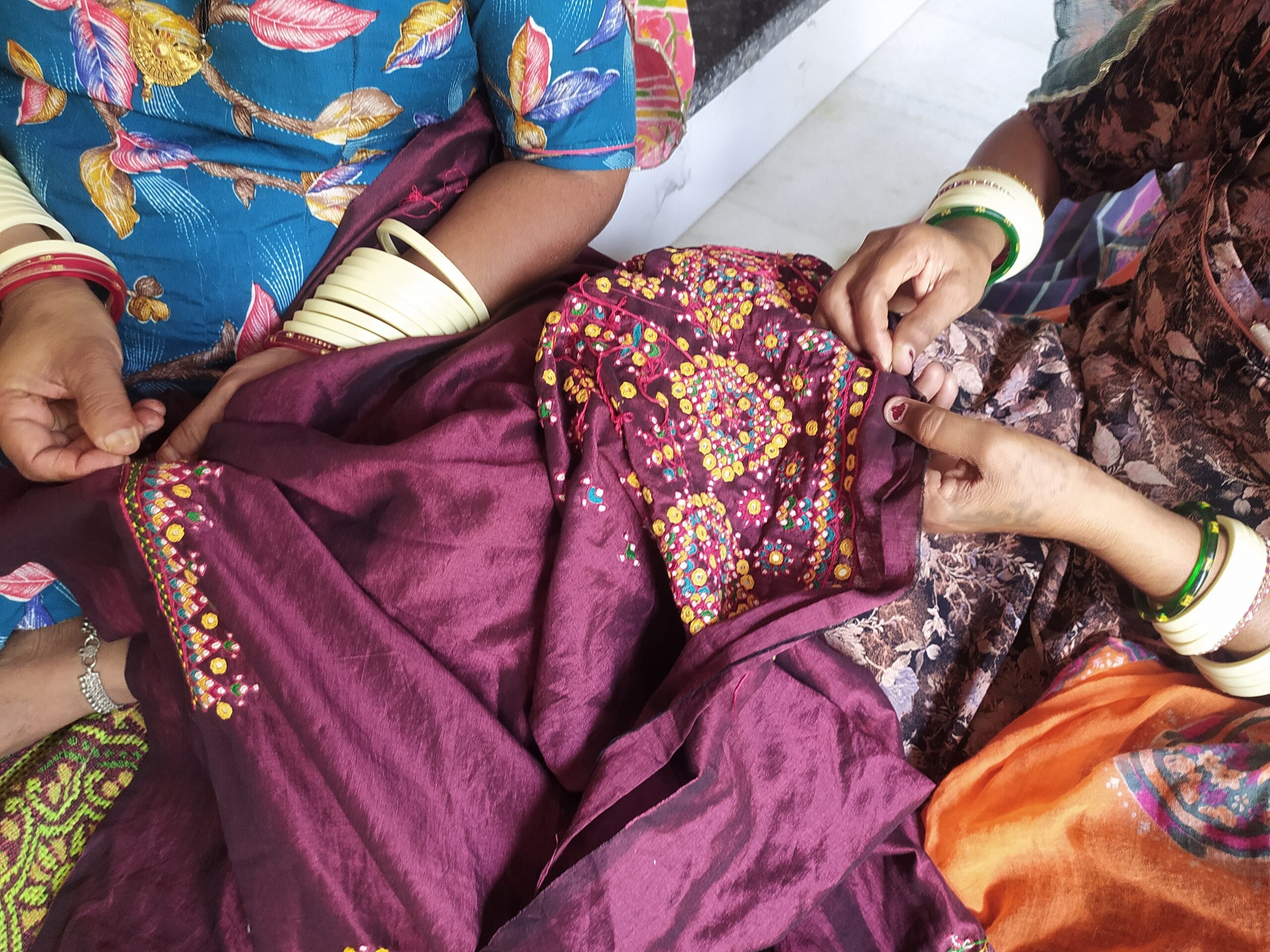
Inside a modest home in Indira Nagar, a neighborhood in the border district of Barmer in India’s western state of Rajasthan, several women gather in a small room one afternoon, preparing their needles and yarns for the hours of work ahead. The women have gathered, as women in these villages often do, to work through…
-
Announcing Our Largest Grant to Date
GiveWell, with co-funding from Coefficient Giving, recently made our largest grant to date: $276 million to the Against Malaria Foundation (AMF) to support the procurement and distribution of 92 million nets in the Democratic Republic of the Congo (DRC) from 2027 through 2029. We estimate that the nets, 46 million of which we think would…
-
Who Pays the Piper Calls the Tune: Funding Sources and Earnings Management in Charities
Nonprofit and Voluntary Sector Quarterly, Ahead of Print. This study examines how funding structures shape earnings management behaviour in charities and, in doing so, contributes to the nonprofit accountability literature. Drawing on resource dependence theory, we argue that funding sources create distinct … Goto full post >>
-
Untangling the Web: How Executive Pay, Performance, and Trust Shape Nonprofit Donations
Nonprofit and Voluntary Sector Quarterly, Ahead of Print. Executive compensation is a double-edged sword for nonprofit organizations. On one hand, above-market salaries might be required to attract and retain individuals with the talent and skills required to effectively run these complex organizations. On the … Goto full post >>
-
Classifying Arts and Culture Organizations for Effective Comparative Research
Nonprofit and Voluntary Sector Quarterly, Ahead of Print. Overlapping and competing taxonomical systems are persistent barriers to comparative research in the cultural sector. Cross-discipline studies typically navigate this challenge by relying on a single taxonomical datapoint. However, data quality issues and … Goto full post >>
-
The Optimism of Critical Theory
Nonprofit and Voluntary Sector Quarterly, Ahead of Print. Goto full post >>