

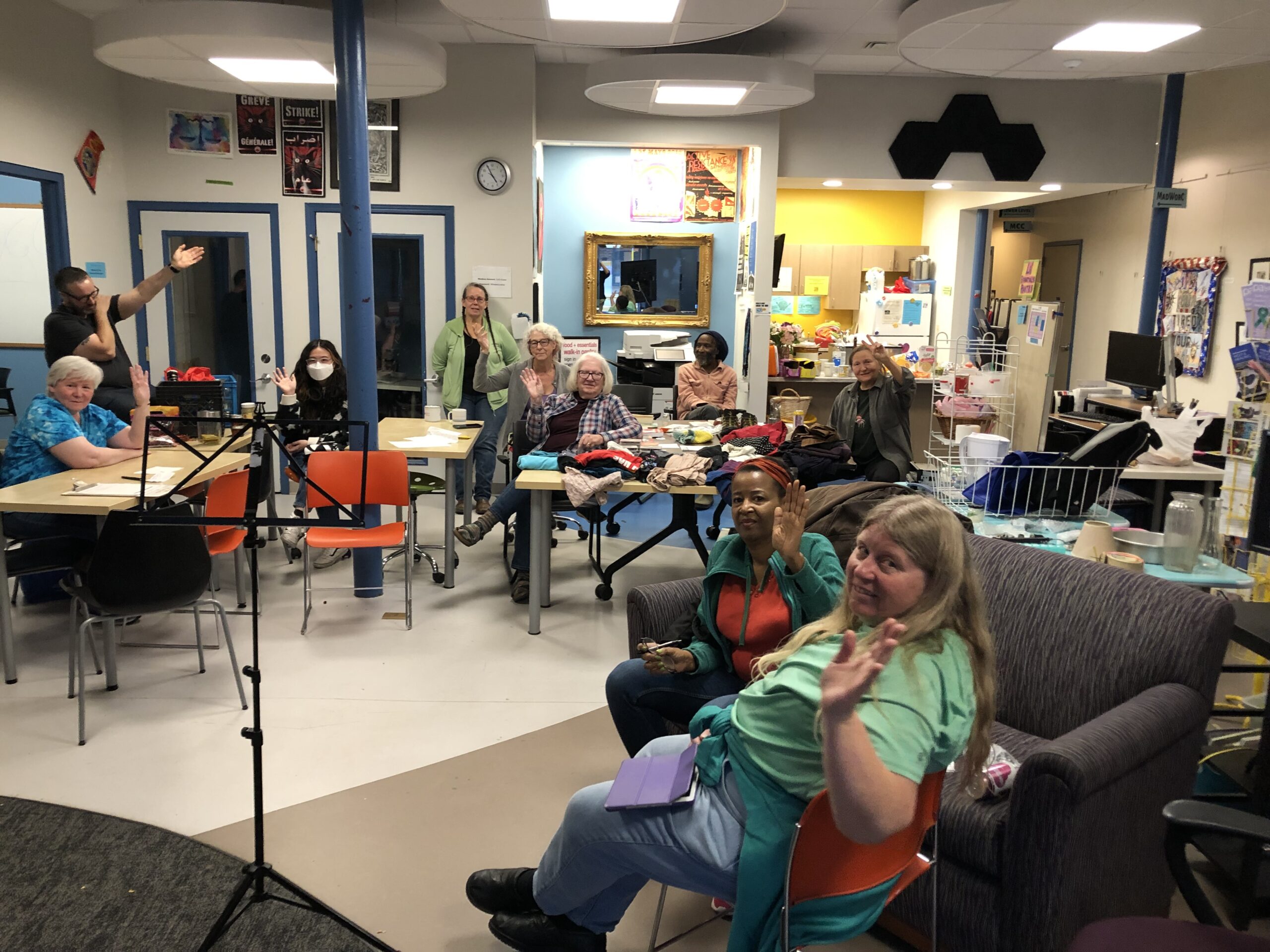
Through time exchanges, members earn time credits by helping others, then redeem them when they need help themselves.
This article was originally published by Truthout
In Kent, Ohio, older white women and immigrant families are forging unexpected connections through a time exchange network. Through time exchanges — sometimes called time banking — members earn time credits by helping others, then redeem them when they need assistance themselves. It’s not barter, or charity; time banking emphasizes reciprocal exchange, recognizing that everyone has something to offer, and that we all need help sometimes.
“The time bank usually has a need for healthy young men,” laughed Dawn Albright, president of the Kent Community Time Bank’s board of directors. “I would say, 70 percent of the members are older women.” Younger immigrant members of the time bank often offer assistance with household tasks, like carrying heavy things up the stairs. She recalled a story of members rallying to help a woman in her 50s who had to leave her home on short notice. They moved boxes, painted walls and stripped floors to make her fixer-upper livable. In return, Albright said, immigrants often request help with navigating challenging systems, like health care appointments.
Albright also said her own social life is deeply intertwined with the bank. “It really feels to me like almost everybody I know is in the time bank,” she said. “If I run into a random person or a neighbor, they’re in the time bank.” Members meet and greet through monthly potlucks and craft nights organized by the time bank leadership.
With over 530 active members and more than 101,000 hours exchanged over the past 15 years, Kent’s time bank is one of the most vibrant in the world. Last year alone, members completed 3,900 exchanges through the original version of Time and Talents, a free platform provided by the time bank support cooperative hOurworld. About two years ago, hOurworld introduced a second version of the platform. The second version’s interface is user-friendly and simple: Requests are posted on one side, and offers on the other. Users can track their time credit balance, and exchange private messages with each other about their needs and skills. Membership isn’t limited to individuals — art galleries, businesses, and even governmental groups have requested volunteer labor in exchange for time credits through Kent’s time bank.
For Beckett, time banking is less about economics, and more about mending social fragmentation. “We invariably wind up making friends,” he told Truthout, noting that he offers sailboat rides to fellow members. “The whole point is to knit community.” Some banks seem